
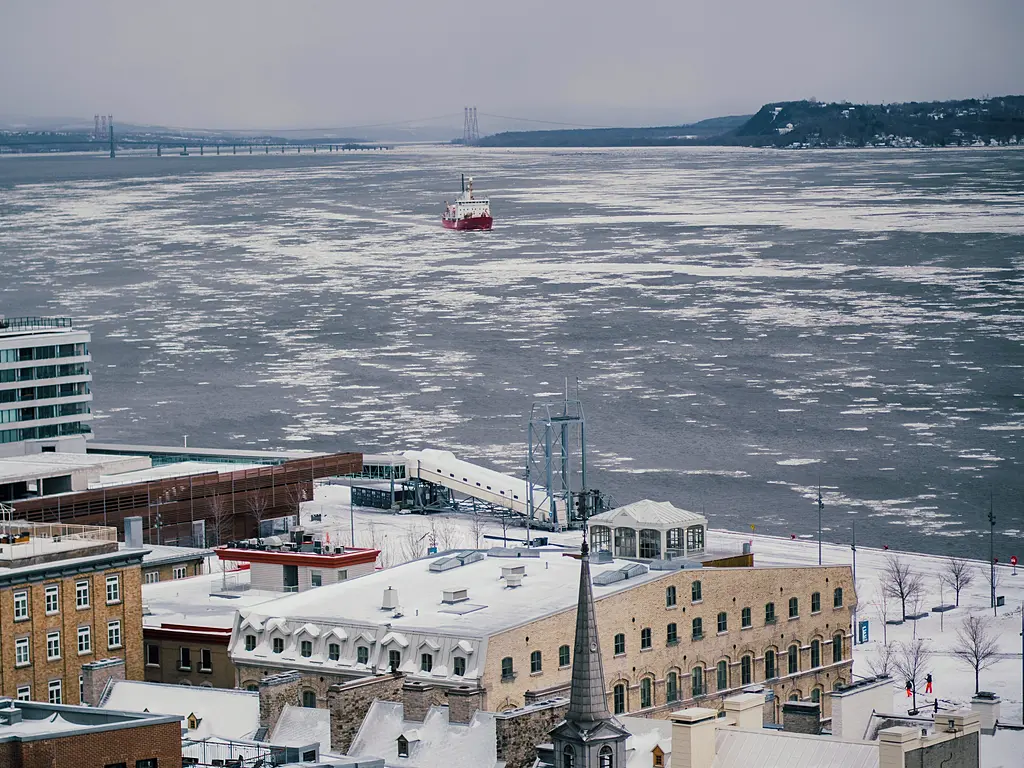
The Canadian housing market is currently facing a critical blind spot in risk management, as 62% of citizens report little to no concern regarding flooding despite the increasing vulnerability of urban infrastructure. This disconnect between public perception and environmental reality represents a significant operational challenge, given that flooding has become the most frequent and costly natural hazard in the country. Data analysis reveals that 80% of major Canadian cities are partially situated on floodplains, placing a massive portion of real estate assets under a latent threat that the majority of property owners are choosing to ignore.
By emphasizing accessible solutions like backwater valves or sump pump installations, home owners can bridge this confidence gap and protect the long-term value of their clients’ real estate portfolios.
The evolution of climate models makes this perception gap increasingly untenable for the global financial ecosystem. As claim-related costs rise, the ability of firms to educate property owners on building resilience becomes a strategic lever for stabilizing the insurance market. By transforming flood management from a reactive post-disaster response into a continuous preventive maintenance strategy, industry professionals can not only reduce loss exposure but also strengthen the financial resilience of the communities they serve.
Read more on: Newswire.ca